

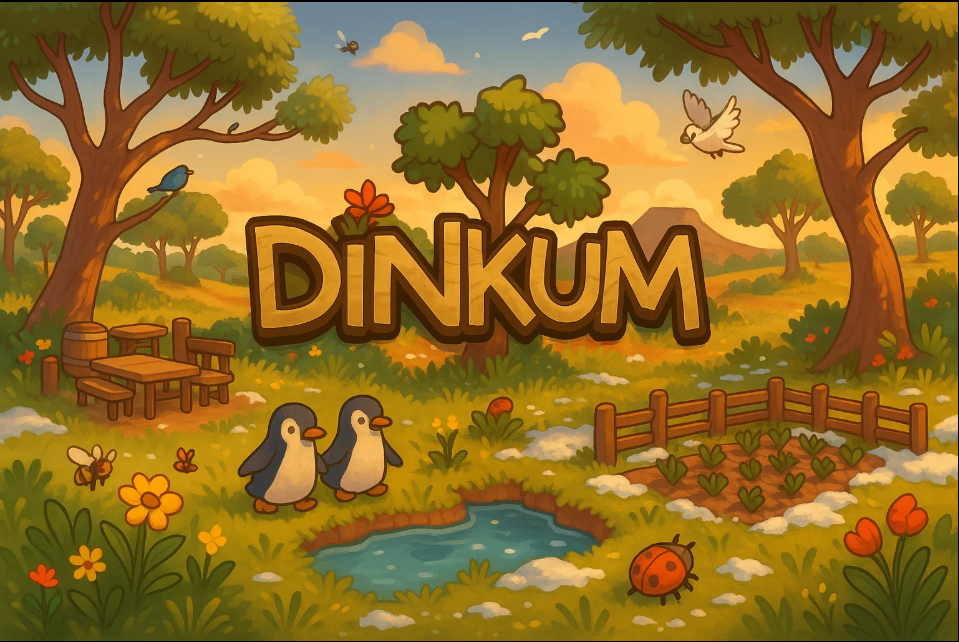
One of the most charming (and sometimes frustrating) features in Dinkum is its dynamic weather system. The island’s weather doesn’t just change the look of the sky—it affects how crops grow, how animals behave, and even how fish bite. If you’ve ever wondered why your crops are growing slower than usual or why certain fish aren’t showing up, it’s probably the weather’s doing. Let’s take a closer look at how the weather works in Dinkum, and how you can use it to your advantage in farming and fishing.
Understanding the Weather Patterns
Dinkum includes several weather types—clear, cloudy, rainy, stormy, and sometimes windy days. Each one brings small but meaningful changes to your island life.
-
Clear days are perfect for construction and exploration. You’ll have full visibility, and it’s easier to plan out your farm layout.
-
Cloudy days slightly lower the temperature, which means your character won’t overheat when doing physical tasks like mining or tilling.
-
Rainy days are the farmer’s best friend. When it rains, your crops are automatically watered, saving you a lot of time and energy.
-
Storms may cause lightning, which can start fires if you’re unlucky—but they also increase fish activity in rivers and the ocean.
While the weather seems random, you’ll start noticing certain seasonal tendencies. For example, spring tends to bring more showers, while summer favors sunny, dry days.
Weather and Farming Strategy
Weather directly affects how you manage your crops in Dinkum. Rainy days, as mentioned, automatically water your farm plots, so you can use that time to focus on other tasks like mining or gathering materials. On sunny days, though, you’ll have to water everything manually unless you have sprinklers or water tanks.
Certain crops also thrive better in specific weather or seasons. For instance, tomatoes and wheat do well even in hot weather, while beans and cabbages prefer cooler, wetter conditions. Keeping an eye on the forecast before planting can save you from wasted seeds and low yields.
If you’re in the mid-to-late game, consider expanding your farm during the rainy season. That’s when you can make the most progress without needing to constantly refill your watering can. Some players even choose to buy dinkum items like advanced farming tools or sprinklers during this time to make their workflow smoother. Having efficient tools really pays off when the weather turns dry again.
Fishing in Different Weather Conditions
Fishing in Dinkum is one of the most relaxing ways to spend time—but it’s also subtly affected by the weather. Fish behavior changes based on light, temperature, and precipitation.
-
Sunny days: Fish are more active near the surface, especially in the morning. You’ll spot species like Blue Spot Flathead and Jungle Perch more often.
-
Rainy days: Some rare species, such as Barramundi, appear more frequently during rainfall. The darker skies and cooler water temperatures seem to make them more daring.
-
Storms: Surprisingly, stormy weather can be one of the best times to catch rare ocean fish. It’s risky to go out with lightning flashing around, but if you’re prepared, you can catch species that don’t show up under calm conditions.
If you’re trying to complete your fish collection or want to earn some extra dinks by selling your catch, plan your fishing trips around the weather forecast. You’ll waste less time waiting and get more valuable catches per day.
For players looking to upgrade their gear for tougher weather conditions, the best place to buy dinkum items is usually through reliable community marketplaces or in-game traders that rotate stock. Keep an eye out for fishing rods with higher durability or bait items that help attract specific species. Investing in the right tools early makes your fishing sessions far more efficient later on.
How Seasons Tie Everything Together
Weather in Dinkum also changes with the seasons, so it’s worth planning ahead.
-
Spring brings moderate rain and good growing conditions. It’s great for planting a wide variety of crops.
-
Summer tends to be dry and hot. You’ll need better irrigation or sprinklers to keep your crops alive.
-
Autumn offers balanced conditions, perfect for expanding both your farm and fish collection.
-
Winter cools things down and brings more frequent storms, making it ideal for fishing rare species but trickier for farming.
Adjusting your daily routine with the season not only keeps your progress steady but also makes your town feel more alive. I’ve found that rotating between farming and fishing based on the weather keeps the game fresh and prevents burnout.
The weather system in Dinkum isn’t just there for show—it’s a subtle but powerful mechanic that shapes how you manage your time and resources. Learning to predict and work with it makes a big difference, especially as your town expands and your daily tasks pile up.
If you ever feel stuck or unprepared for sudden changes, you can check out online trading platforms like U4GM, where experienced players discuss efficient gameplay and share strategies about tool upgrades or seasonal setups. It’s a great way to stay ahead, especially when you’re balancing farming, fishing, and town building all at once.
In short: watch the clouds, listen to the rain, and make every weather type work for you. With the right tools and timing, even a stormy day can turn into a productive one in Dinkum.

 漢語
漢語