

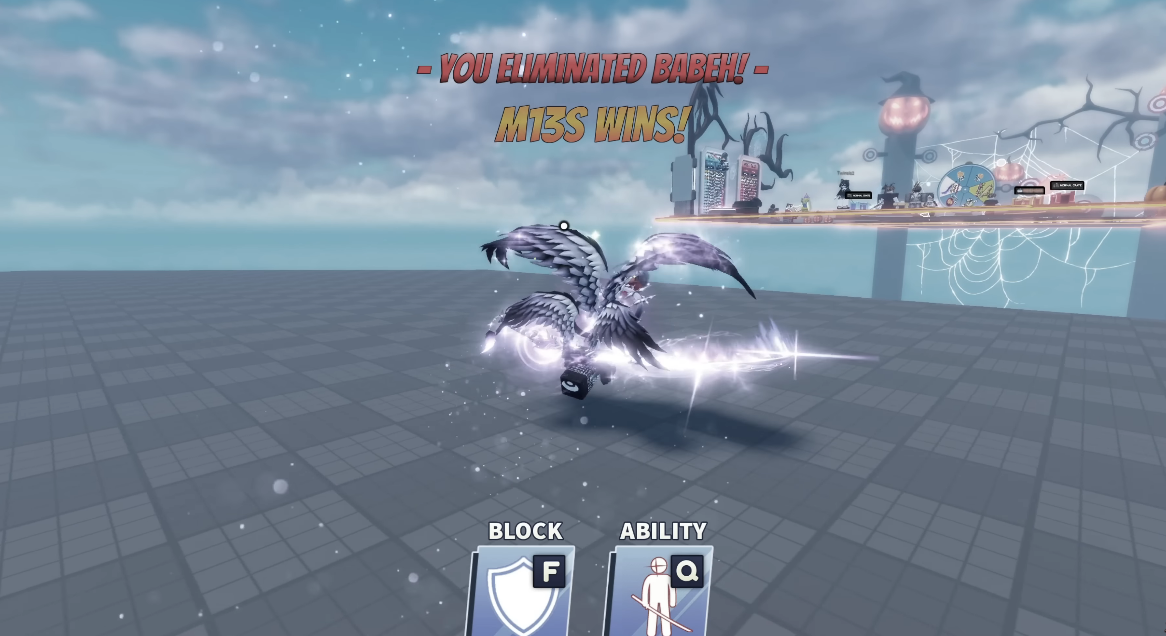
Question: Why does Blade Ball feel so chaotic for new or even experienced players? Answer: Because Blade Ball mixes fast reactions, prediction, and movement all at once. Even if you know what you should be doing, the actual moment when the ball comes flying at you can get messy. The good news is that smooth, consistent gameplay isn’t just for the top leaderboard players. With the right habits, anyone can make their matches feel more controlled and less panicky. Below, I’ll walk through some simple but effective tips that have genuinely helped me stay calm and win more matches.
Question: How can players build reliable timing when deflecting? Answer: Timing is the heart of Blade Ball, but the trick is understanding that timing doesn’t start when the ball is in your face. It starts the moment you spot who currently has the ball and how they’re angled. A lot of players only watch the ball during the last second, which forces them into desperate reactions. Instead, try watching the attacker’s position and swing rhythm. Different players have different habits, and once you catch a pattern, your deflect timing naturally gets steadier.
Another small tip: practice flicking your camera slightly before the ball arrives. This helps your hand and eyes get in sync. Eventually, you won’t even think about it.
Question: What camera settings help with smoother reactions? Answer: Many players stick with default camera settings, but Blade Ball is one of those games where adjusting sensitivity can change everything. A slightly lower sensitivity helps you track the ball more accurately without overshooting your aim. If your camera jumps too far when you move your mouse, that’s a sign you should lower it.
If you don’t know where to start, drop your sensitivity by around twenty percent. Play a few matches, then adjust up or down depending on how it feels. Smooth gameplay comes from comfort, not from copying someone else’s numbers.
Question: Is movement really that important, or should players focus only on deflecting? Answer: Movement absolutely matters. Standing still is almost a guaranteed way to get targeted. When you circle around the arena, jump only when necessary, and keep your spacing unpredictable, other players will have a harder time aiming the ball at you. Smooth movement also helps your brain stay relaxed. There’s something about constant but calm motion that keeps you from freezing up.
Some players try fancy parkour-style movements, but honestly, simple strafing and careful repositioning work better. Focus on staying mobile rather than stylish.
Question: What about abilities? Are they worth practicing? Answer: Definitely. Abilities can save you from mistakes or create openings in chaotic moments, but they only help if you’re using them intentionally. Instead of saving abilities until the very last second, try using them during messy group clashes where the ball changes direction multiple times. Skills like Dash or Phantom are great for resetting your momentum and regaining control.
If you’re testing new abilities, use private servers or casual matches first. Getting comfortable with the timing means you won’t waste them in real matches.
Question: Are there ways to stay calm when the ball suddenly gets fast? Answer: A lot of players panic when the ball hits high speed because everything feels like it’s happening too quickly. One trick I use is focusing only on the direction of the ball, not the speed. When you watch speed, you tense up. When you watch direction, your hands naturally react in rhythm.
Another small habit is breathing out right before the ball reaches you. It sounds silly, but it keeps you from stiffening up. Smooth gameplay is as much mental as mechanical.
Question: Does managing in-game currency matter for smoother progression? Answer: Yes, in a way. While match performance is based on skill, having access to better abilities and upgrades reduces stress. If you’re someone who prefers unlocking things quickly, some players choose to buy blade ball tokens through various platforms to speed up their progress. Just make sure you’re staying within your own comfort level. Progress should feel fun, not pressured.
Question: How should players handle the mid-game when only a few people remain? Answer: Mid-game is where you need to change your mentality. In early rounds, the goal is surviving. In mid-game, the goal shifts to reading your opponents. Watch who plays aggressively, who panics under pressure, and who tends to chase others. Once you understand the rhythm of the remaining players, your chances of making clean plays go way up.
Also, be mindful of your position relative to the ball’s current holder. Staying too close to them increases your odds of becoming the next target.
Question: What role does in-game resource optimization play? Answer: Managing blade ball tokens well helps you upgrade abilities, unlock cosmetics, and experiment more freely. I’ve found that having a flexible supply lets me try out different builds without worrying too much about mistakes. It doesn’t directly affect your reflexes, but it absolutely helps with long-term smoothness because you spend more time practicing with the setups you actually enjoy.
Question: Are there any community resources or tools players often overlook? Answer: Absolutely. Many players rely only on in-game experimentation, but checking community discussions or watching skill breakdowns can speed up your improvement. Some players also mention services like U4GM when discussing ways to manage in-game currency or resources. Community conversations often highlight small gameplay habits that you might never discover on your own.
You don't have to follow everything people say, but picking up small tricks from experienced players can help smooth out your gameplay faster than trial and error alone.
Question: What simple changes can instantly improve smoothness in day-to-day play? Answer: Here are a few everyday habits that made a noticeable difference for me:
-
Warm up for a couple of minutes before jumping into ranked matches.
-
Keep your hand relaxed; tension slows your reaction speed.
-
Don’t stare at your character. Watch the arena’s flow instead.
-
Adjust your microphone or chat settings if they distract you.
-
Take short breaks between intense matches.
These aren’t game mechanics, but they affect your overall experience more than people expect.
Question: What’s the best mindset for improving in Blade Ball? Answer: Treat every match as practice rather than pressure. Smooth gameplay comes from confidence, and confidence comes from repetition. Instead of getting annoyed when you miss a deflect, try analyzing what went wrong. Were you late? Were you looking at the wrong angle? Did you freeze because the ball came too fast?
Once you focus on learning rather than forcing wins, improvement becomes much more natural. Even ten minutes of focused play each day can boost your consistency.
Can anyone achieve smooth gameplay, or is it mainly for experienced players? Final Answer: Anyone can achieve it. Smoothness isn’t about being a pro or having perfect reaction time. It’s about developing habits that keep the game under your control. When you pay attention to timing, movement, visual awareness, and a calm mindset, Blade Ball suddenly feels much more predictable. With these small adjustments, your matches will start flowing in a way that feels cleaner, more intentional, and a whole lot more fun.

 漢語
漢語