

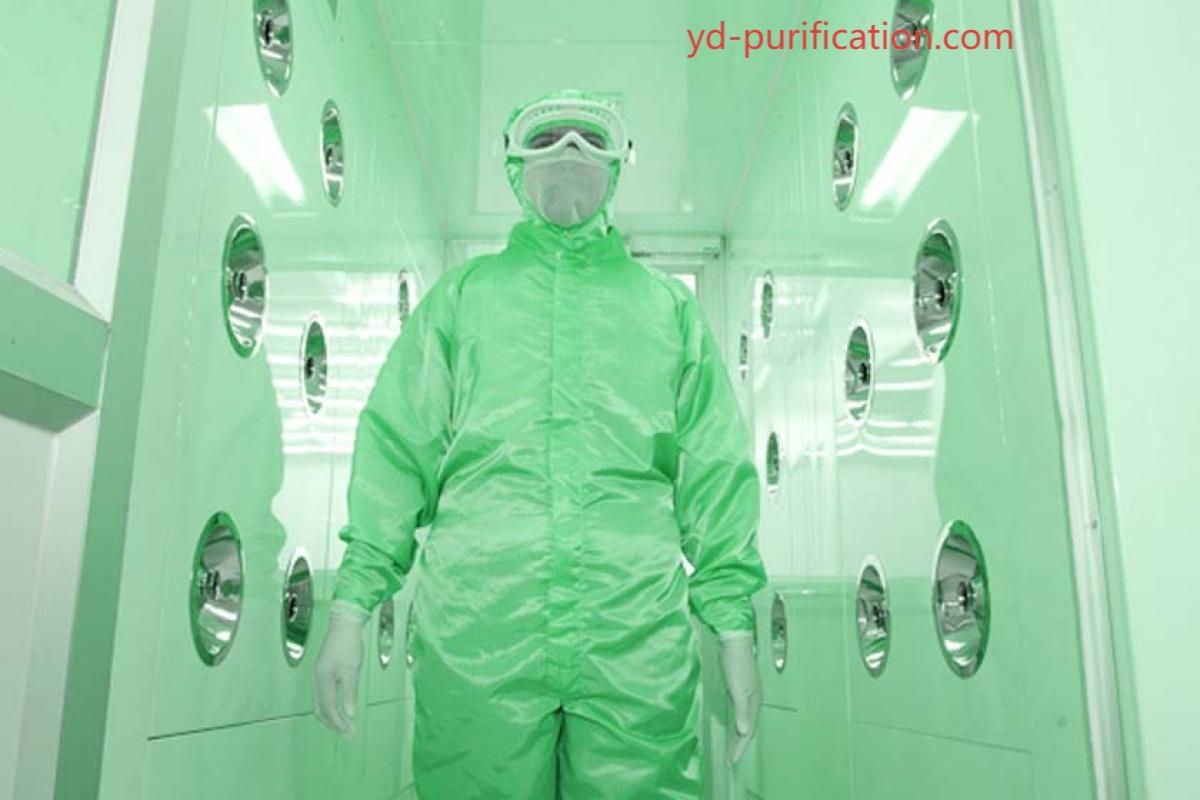
In discussions related to controlled industrial spaces, the concept of a Clean Room Air Shower Factory is often associated with structured production thinking, and when combined with the manufacturing philosophy of yd-purification, the opening question naturally forms, how does factory level planning influence environmental entry systems over time?
Across many sectors, attention has gradually shifted from isolated equipment to the logic behind how components are produced, assembled, and integrated. Entry systems represent a connection point between external activity and internal discipline, and their design reflects manufacturing awareness rather than surface appearance.
Industry conversations increasingly highlight the importance of process alignment. Factories that emphasize order, consistency, and repeatable workflows tend to translate these principles into finished systems that feel stable in daily use. This approach supports predictable interaction without relying on instruction or signage.
Another frequently discussed topic involves adaptability across different facility layouts. Entry solutions must respond to varied spatial conditions while maintaining a unified operational logic. When planning is guided by system thinking, transitions appear intentional and coherent.
Material coordination is also part of the broader discussion. Surface finishes, enclosure proportions, and internal layout relationships influence how users experience entry zones. A composed configuration encourages calm movement and reinforces procedural awareness.
From a manufacturing perspective, production environments that value clarity often embed this mindset into their assembly methods. Standardized fabrication routines help ensure consistency while allowing flexibility during installation. This balance supports smooth integration with surrounding structures.
Operational continuity remains a central theme in current industry dialogue. Entry systems must function reliably within daily workflows, supporting routine circulation without disruption. When coordination exists between design intent and factory execution, long term use feels natural.
Another emerging conversation centers on human interaction. Transitional spaces shape how individuals pause, orient, and proceed. These subtle behavioral cues contribute to environmental discipline and reinforce shared responsibility within controlled spaces.
Manufacturers operating within structured frameworks often focus on process transparency. Clear production stages, organized assembly lines, and disciplined quality checks influence how systems perform once installed. This foundation supports confidence through structure rather than promotional claims.
As organizations evaluate sourcing options, attention increasingly turns to manufacturing philosophy rather than isolated features. A factory grounded in consistency, restraint, and system alignment reflects these values through practical outcomes.
For readers exploring solutions from a Clean Room Air Shower Factory, detailed reference information and application context can be reviewed at https://www.yd-purification.com/product/air-shower/ , providing insight into how manufacturing discipline supports controlled entry environments.

 廣東話
廣東話