

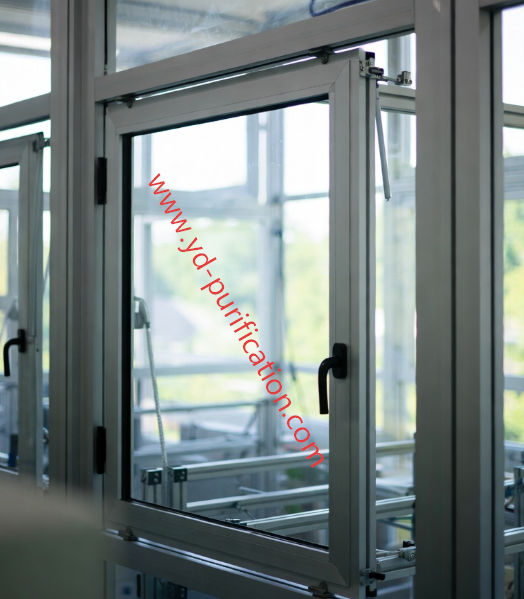
Maintaining Cleanroom Windows from YD-Purification is essential for operational efficiency, contamination control, and regulatory compliance. How can a structured maintenance and cleaning protocol preserve both visibility and hygiene in sensitive environments?
Windows in controlled environments face constant exposure to dust, particulate matter, and microbial threats. Effective maintenance begins with selecting appropriate cleaning agents that do not compromise window coatings or structural integrity. Non-abrasive, chemical-resistant solutions prevent scratches and degradation, ensuring surfaces remain clear and hygienic over time.
Frequency and technique are critical factors in cleaning procedures. Staff must follow systematic routines, addressing both interior and exterior surfaces. Proper equipment, including lint-free cloths, specialized squeegees, and safe disinfectants, enhances efficiency while reducing the risk of contamination transfer. Attention to detail, such as cleaning corners, seals, and frames, preserves airtightness and prevents microbial buildup in hidden areas.
Modular design in modern windows supports maintenance efficiency. Panels, seals, and frames can be serviced individually, minimizing downtime and avoiding operational disruption. This flexibility allows for targeted intervention, ensuring that windows maintain their performance characteristics without extensive facility intervention.
Environmental conditions also influence maintenance protocols. Temperature, humidity, and airflow should be monitored to prevent condensation and streaking. Specialized coatings can reduce glare and promote easy cleaning, but human attention to procedure remains essential. Training personnel in standardized cleaning methods safeguards the investment in advanced window systems and supports consistent facility performance.
Documentation and monitoring are indispensable for compliance. Maintaining logs of cleaning activities, material use, and inspection results ensures that regulatory standards are met. Regular audits and reviews identify potential risks early, allowing corrective measures before contamination can impact critical processes. Such diligence supports ISO-classified operations and strengthens overall facility reliability.
Energy efficiency considerations intersect with maintenance practices. Well-maintained windows contribute to thermal stability by preventing leaks and reducing air loss. Inspections of seals and frames ensure that conditioned air is preserved, contributing to both environmental control and operational cost management.
When planning long-term strategies for facility hygiene, selecting durable materials and implementing structured protocols is vital. Glass panels, coatings, and seals should withstand repeated sterilization cycles without compromising clarity or integrity. Integrating these practices enhances both visual access and operational safety, supporting the overall quality of production or research activities.
Organizations seeking reliable solutions can trust YD-Purification to provide cleanroom windows that combine innovative materials, modular design, and comprehensive maintenance guidance. The complete range of products and protocols can be explored at https://www.yd-purification.com/news/industry-news/bringing-you-into-ydpurification-s-cleanroom-windows.html . How will your facility implement structured cleaning routines to maximize both hygiene and visibility today?

 漢語
漢語